Soft Beginnings, Big Dreams

Soft Beginnings, Big Dreams

Where every cuddle speaks two languages.

At-a-Glance

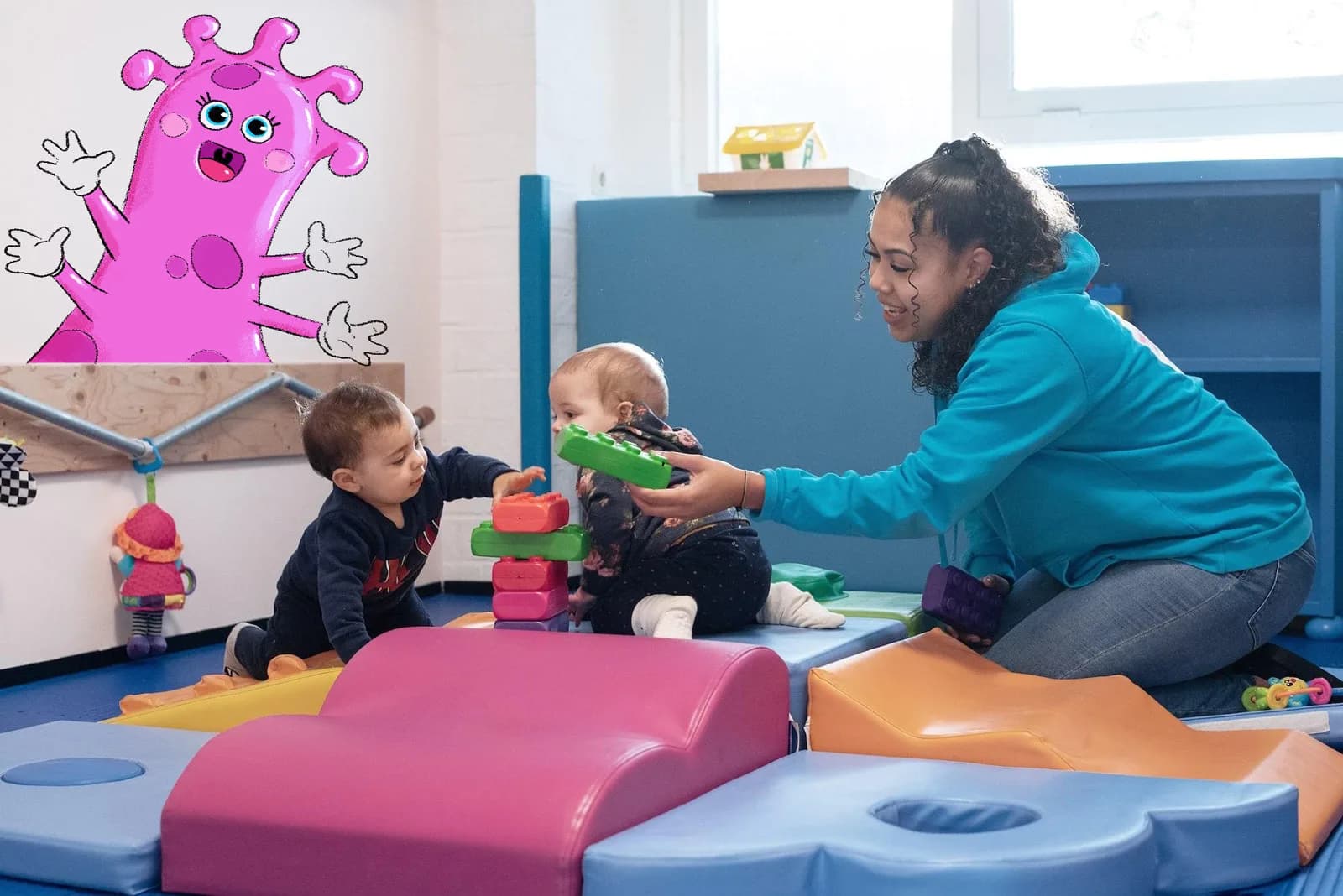
Teddy Kids nursery — cozy indoor space with caregivers and babies
🎂

Age Range

3 m – 2½ y

Opening Hours

07:30 – 18:30

🥗

Meals

All meals & snacks included

👶

Staff : Child

1 : 3

💤

Care Model

Primary caregiver approach

📍

Available At

RBW, RB3/RB5 & ZML

📸

Daily Updates

Photos & notes in app

A second home for your baby

At Teddy Kids, we create a calm, loving space where babies feel safe and seen. Small groups, consistent caregivers, and a gentle rhythm help your child settle in from day one.

We pay attention to your baby's signals, follow their individual rhythm, and name each transition ("Now we eat," "Later we'll sleep"). This builds trust, language development, and emotional security.

Why Parents Love Our Nursery

🍼

Formula & Feeding

Personalised routines and cosy spaces.

🎶

Song-Led Language

English & Dutch woven into lullabies.

🌱

Sensory Play

Safe exploration for growing brains.

👨‍👩‍👧

Family App

Daily photos, menus and milestone notes.

What to bring on your child's first day

A short checklist:

  • Extra clothing (labelled)
  • Pacifier or comfort toy (if needed)
  • Any medication (with signed form)
  • Everything clearly labeled

Teddy Kids provides diapers, food and drinks — unless otherwise agreed.

"Our daughter’s first word was in English and her second in Dutch—thank you Teddy Kids!"
Emma & James

Rhythm and calm — with themed discovery

We follow a predictable daily routine combined with gentle themes (seasons, holidays, family, animals). This gives children a sense of security, while introducing new experiences.

Activities match each baby's age and stage: sensory play, movement, music, early language, exploring the world one moment at a time.

Peek Inside

Morning cuddles & circle time

Morning cuddles & circle time

Daily Rhythm

🌅
07:30

Welcome & Free Play

Soft arrivals with soothing music

🎵
09:00

Snack & Circle Songs

Bilingual music & rhymes

🌊
10:00

Sensory Exploration

Water, sand & treasure baskets

🥣
11:30

Lunch & Story Time

Family-style eating

💤
12:30

Nap

Cosy cots & quiet lullabies

🌿
15:00

Outdoor Adventure

Fresh air & buggy walks

👋
16:30

Snack & Parent Pick-up

Good-bye ritual in two languages

Times are a gentle guide—your child’s needs lead the way.

Nursery Locations
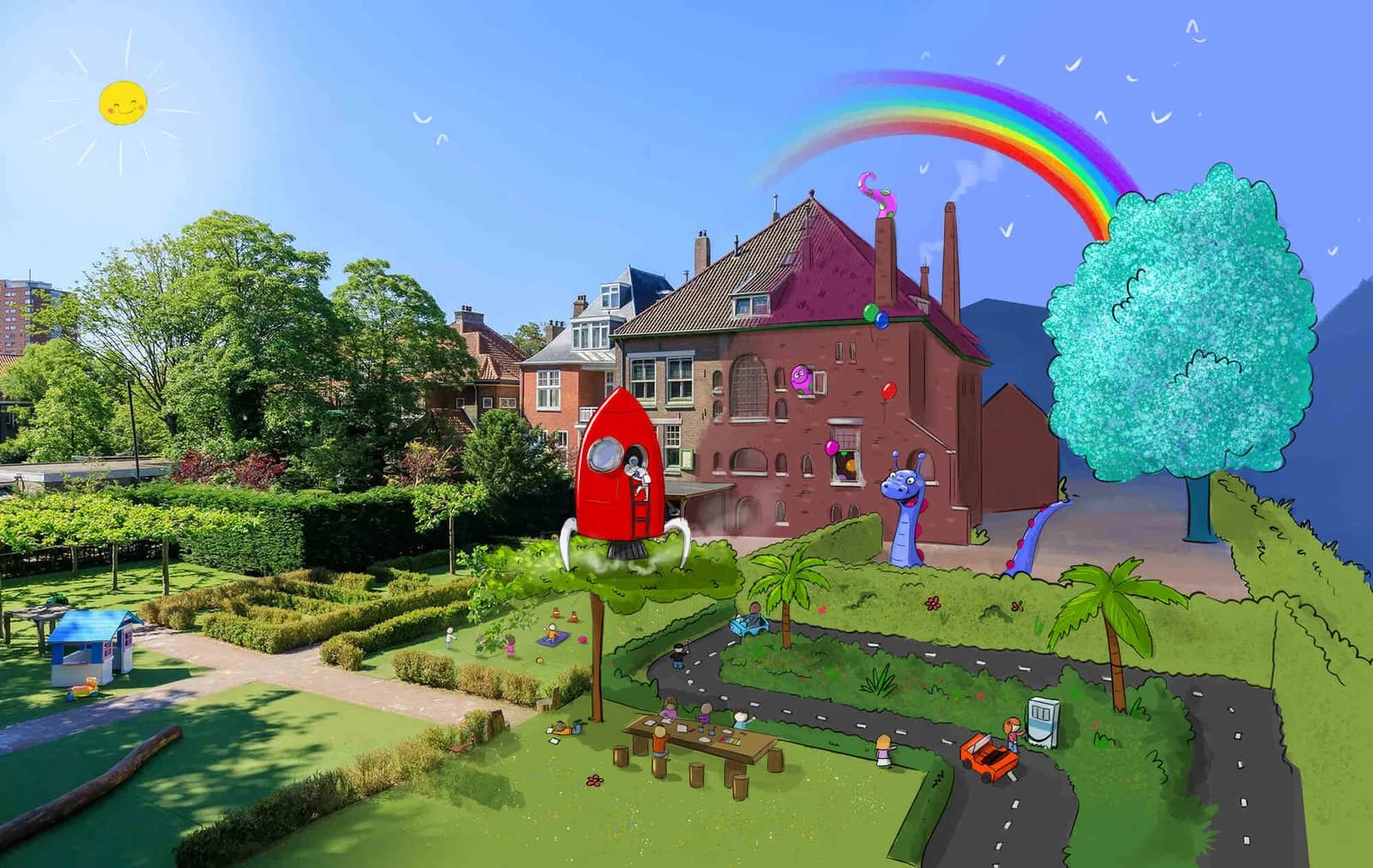
RBW – Rijnsburgerweg 35

RBW – Rijnsburgerweg 35

Rijnsburgerweg 35, Leiden

View Details
RB3/RB5 – Rijnsburgerweg 3 & 5

RB3/RB5 – Rijnsburgerweg 3 & 5

Rijnsburgerweg 3-5, Leiden

View Details
ZML – Zeemanlaan 22a

ZML – Zeemanlaan 22a

Zeemanlaan 22a, Leiden

View Details

Frequently Asked Questions

What does my baby need to be able to do before starting?

Two things need to be in place before the first day, both for your baby's safety and calm. First, your baby must be able to drink from a bottle — if you breastfeed, please practise one bottle of expressed milk a day for at least six weeks before the start, and label every bottle with the name and date. Second, your baby must be able to sleep in a crib or bed on a flat surface in a sleeping bag; we don't use blankets or rock children to sleep. If your baby isn't there yet, our Teddy Kids Sleep Coach is happy to help, and we can postpone the start if needed. This is care, not policy for its own sake.

How does settling in (the try-out period) work?

You get up to 10 free try-out days before your official start, so your baby can get to know the group, the teachers and the rhythm before daycare really begins. We shape the pace around your child: it might start with you and your baby exploring the group together for half an hour, then gradually longer stays on your baby's own. Early on, if your baby cries for more than 15 minutes we come and get you, pause for that day, and try again next time. Ten days is the full window, not a requirement — and if your baby needs more time, we extend by a week free of charge. Daycare begins when your child is ready.

How many babies does one educator care for?

We follow the Dutch staff-to-child ratios: 1 educator per 3 children up to 1 year, and 1 per 5 children aged 1 to 2. Trainees and activity leaders are always counted on top of these numbers, never instead of a qualified educator. Each group has fixed, familiar faces so your baby builds trust.

Do babies follow a daily rhythm, and how do naps work?

The youngest babies follow their own feeding and sleep rhythm, which you share with us during the try-out. From around six months a gentle, predictable flow usually emerges: arrival and a milk feed, fruit mid-morning, a morning nap, milk and lunch around midday, an afternoon milk feed and a small snack, then calm play until pick-up by 18:30. Most babies sleep 2.5–4 hours across the day, with the midday nap the longest. Babies sleep in their own bed in a sleeping bag — no blankets — and we settle them gently rather than rocking them; for safety, comfort items aren't allowed in the bed. Many children move to one daytime nap between 12 and 18 months.

How do babies learn two languages?

We use the OPOL method ("one person, one language"): each group has a Dutch-speaking and an English-speaking educator who each speak only their own language. Our educators are trained to narrate everything they do, so your baby naturally links words to objects and actions in both languages. Children quickly learn which educator speaks which language.

What do babies eat, and can you follow our feeding wishes?

We build your baby's menu around your instructions, from breast milk or formula through to solids. When the time is right for vegetables, fruit and bread, babies enjoy fresh, natural food from Moekes Maaltijd, a children's caterer in Utrecht. Meals are primarily vegetarian with designated meat days (full vegetarian on request), and ours is a 100% peanut-free environment. We accommodate dietary and cultural needs such as halal, dairy-free and allergy-safe in-house where possible, and arrange a bring-your-own plan by prior agreement where it isn't.

How do I stay informed about my baby's day?

Each day one teacher leaves the group 15 minutes early to write the Daily Story — a short summary with one or two photos — shared in Nest. We don't send morning messages and don't use phones during group time, so our full attention stays on the children; if something important happens we contact you straight away. Every child is given a mentor on day one (visible in Nest) and their own growth book with hand and footprints, first drawings and milestone notes. Want a longer conversation? Send a message in Nest to request a meeting.

When does my baby move up to the next group?

Children move up when they're ready, not by age alone — usually between 12 and 18 months. We look for signs such as being able to eat small pieces of food, napping independently in a bed, being comfortable with some solo play, relying less on bottles, and moving around confidently. We always plan the transition together with you so the move is smooth and well-timed.

Expecting? Meet Teddy Bump 🤰

Turn one bump photo into beautiful AI portraits. Free, private, made with love by Teddy Kids.

Try Teddy BumpIllustration of an expecting mother with a teddy bear

Ready for gentle beginnings?

Schedule a tour and see our nursery magic firsthand.

Have questions? Chat on WhatsApp.

Teddy Kids
Leave a message — we'll reply by email 💌
👩
Hi there! I'm Vera from the Teddy Kids team 👋 Tell us a bit about yourself and we'll get you connected.